
The Wild Idea That Began in Yellowstone
The first thing Carly Crow remembers is the cold.
She was thirteen years old, far from her home in southern Georgia, sleeping in a tent beneath the vast Wyoming sky. The trip was part of a Girl Scouts adventure called Wyoming Wildlife Wonders, a journey that included time in two of the country’s most iconic landscapes: Grand Teton and Yellowstone national parks.
At that age, camping in the mountains was not always easy. The nights were colder than she expected. The mornings arrived with frost on the ground. But then came one particular evening when Carly stepped outside her tent and looked up.
The stars stopped her.
She had never seen a sky like that. The darkness above the campground was not empty; it was alive with light. In that moment, standing in a place where the human world felt small and the natural world felt endless, she sensed something she could not yet fully explain.
Yellowstone had introduced her to wonder.
The trip had already changed her in another way. Earlier, while exploring Grand Teton National Park, Carly and the other girls met a research ecologist studying mountain lions. The scientist captured and collared mountain lions, using the data to better understand their movements, territories, and behaviors.
To Carly, watching this woman work was extraordinary.
Here was someone who had built a life around curiosity. Someone who could walk into the wilderness, ask questions of the landscape, and help reveal the hidden lives of animals most people would never see.
“I absolutely have to become her,” Carly remembers thinking.
She does not recall the ecologist’s exact name, only the impression she left behind. But the impact was lasting. That scientist became a symbol of what was possible, and the trip became the beginning of Carly’s own journey into biology, ecology, and conservation.
Today, Carly is a naturalist guide who leads wildlife expeditions around the world, including back to Yellowstone, sharing with others the same sense of discovery that first set her on this path.
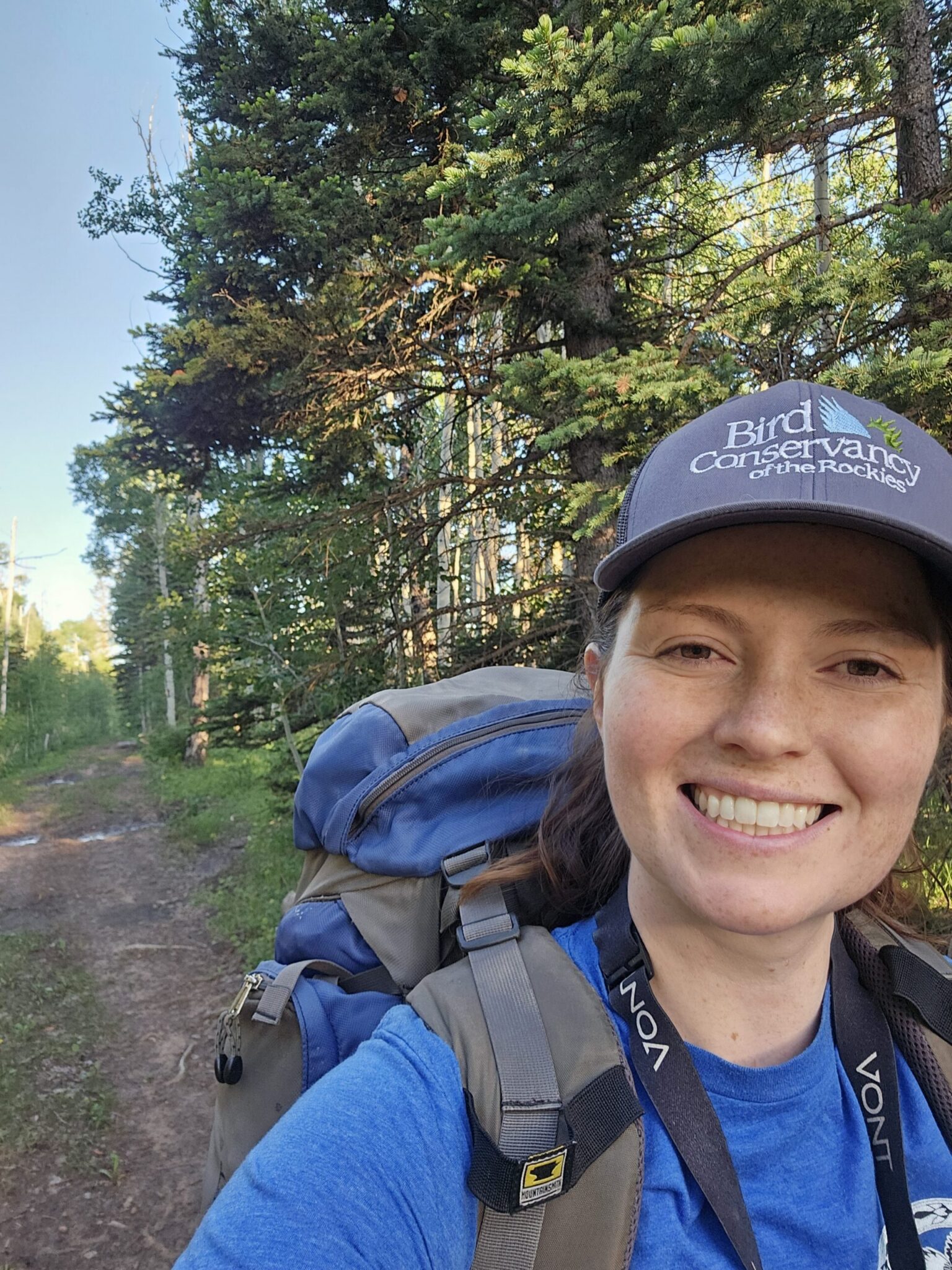
Her story is not unique. Across generations, countless visitors have arrived in Yellowstone and left seeing the natural world differently.
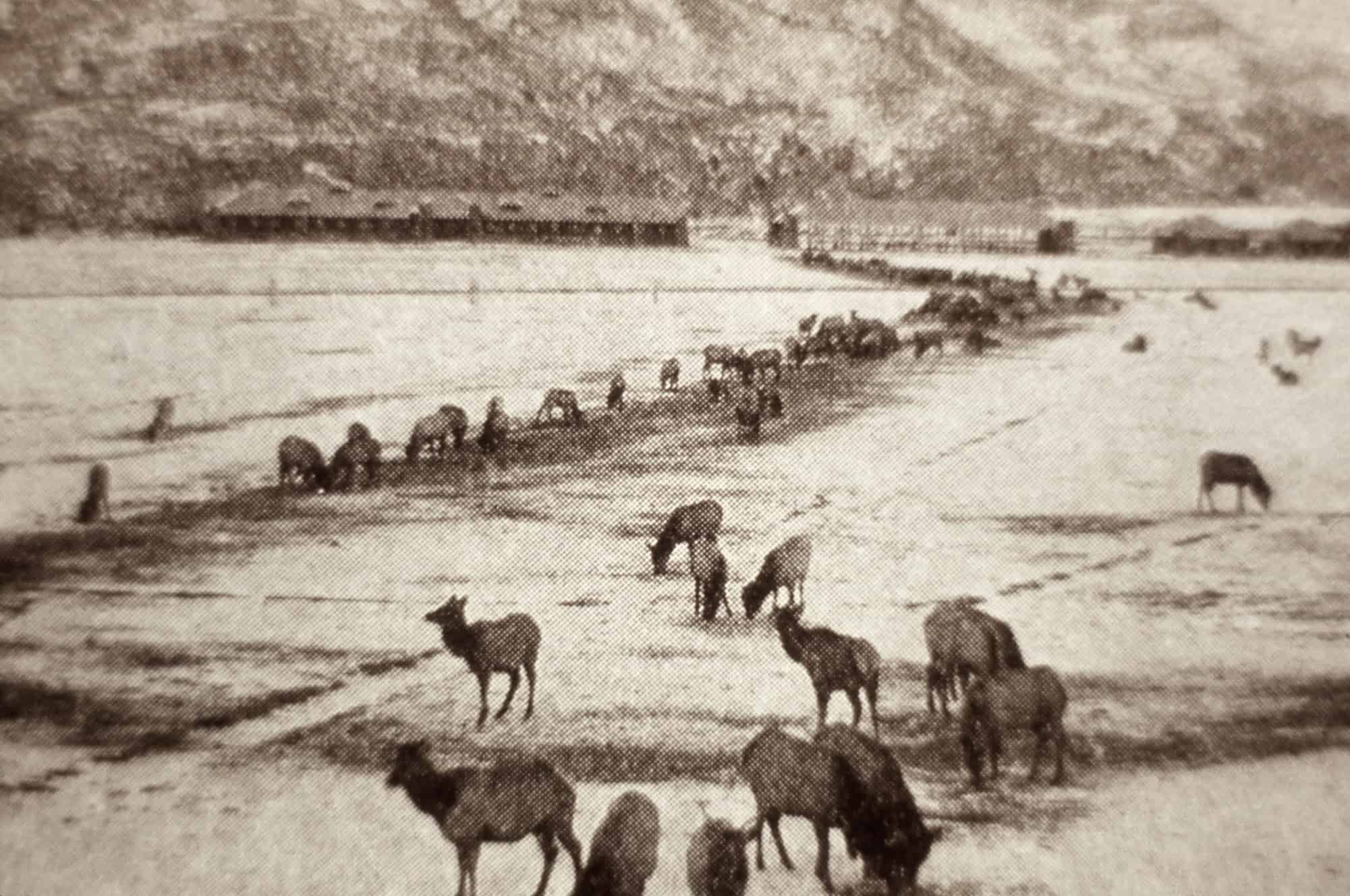
For more than 150 years, Yellowstone has been a place where people encounter something larger than themselves. It is also where the very idea of a national park began.
On March 1, 1872, President Ulysses S. Grant signed the Yellowstone National Park Protection Act into law, establishing Yellowstone as the world’s first national park. The decision was unprecedented. Never before had a government set aside such a vast landscape specifically to preserve it for the benefit and enjoyment of future generations.
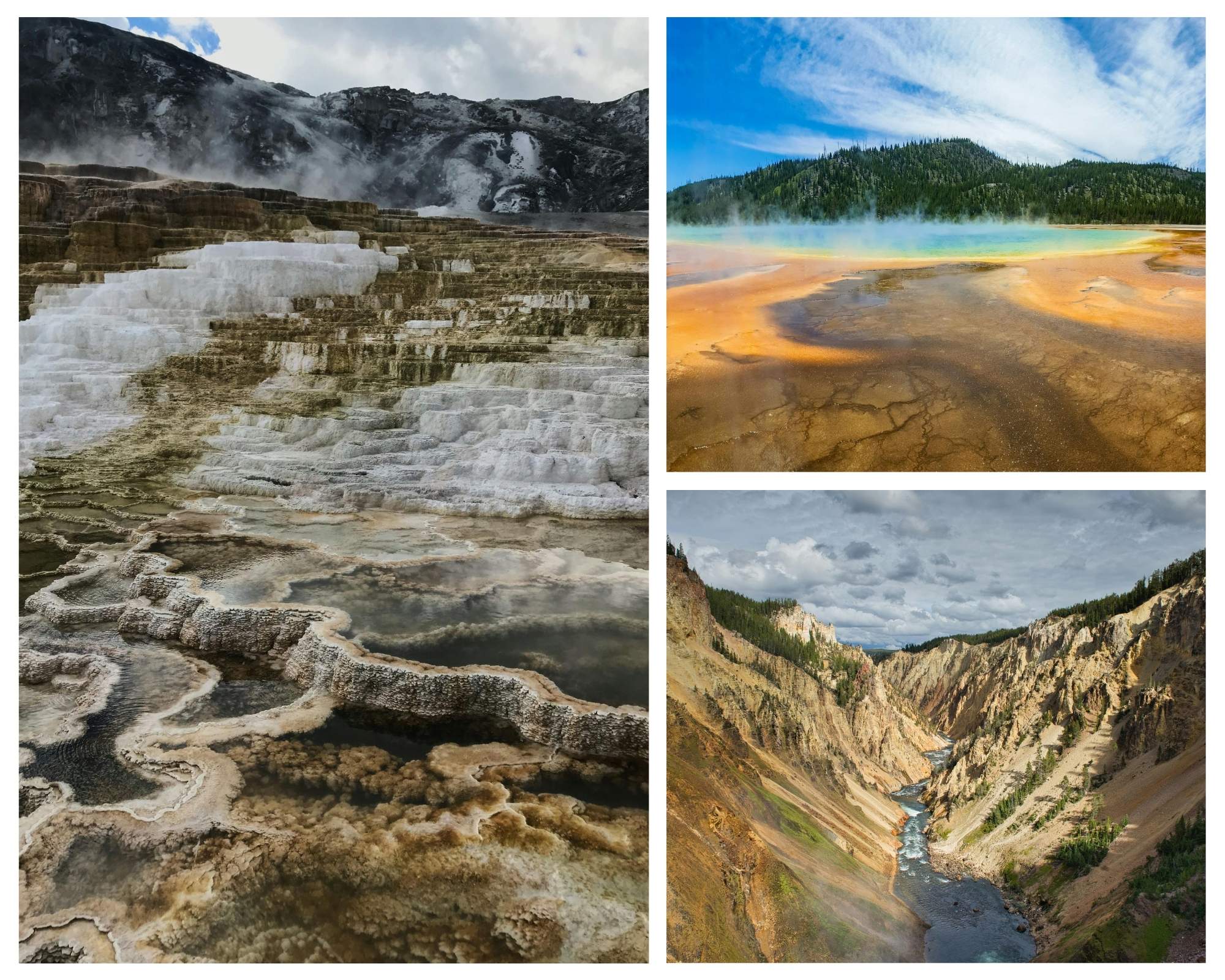
At the time, Yellowstone was best known for its extraordinary geological features: erupting geysers, colorful hot springs, and landscapes that seemed almost otherworldly. But the protection of this immense region also preserved one of the greatest wildlife strongholds on the continent.
The idea born in Yellowstone would travel far beyond its borders. Within decades, other countries had adopted the concept of protecting large landscapes for conservation and public enjoyment. Today, thousands of national parks and protected areas exist across more than 100 countries, each carrying forward a simple but powerful belief: that some places are too important to lose.
Yellowstone’s conservation stories continue to unfold.
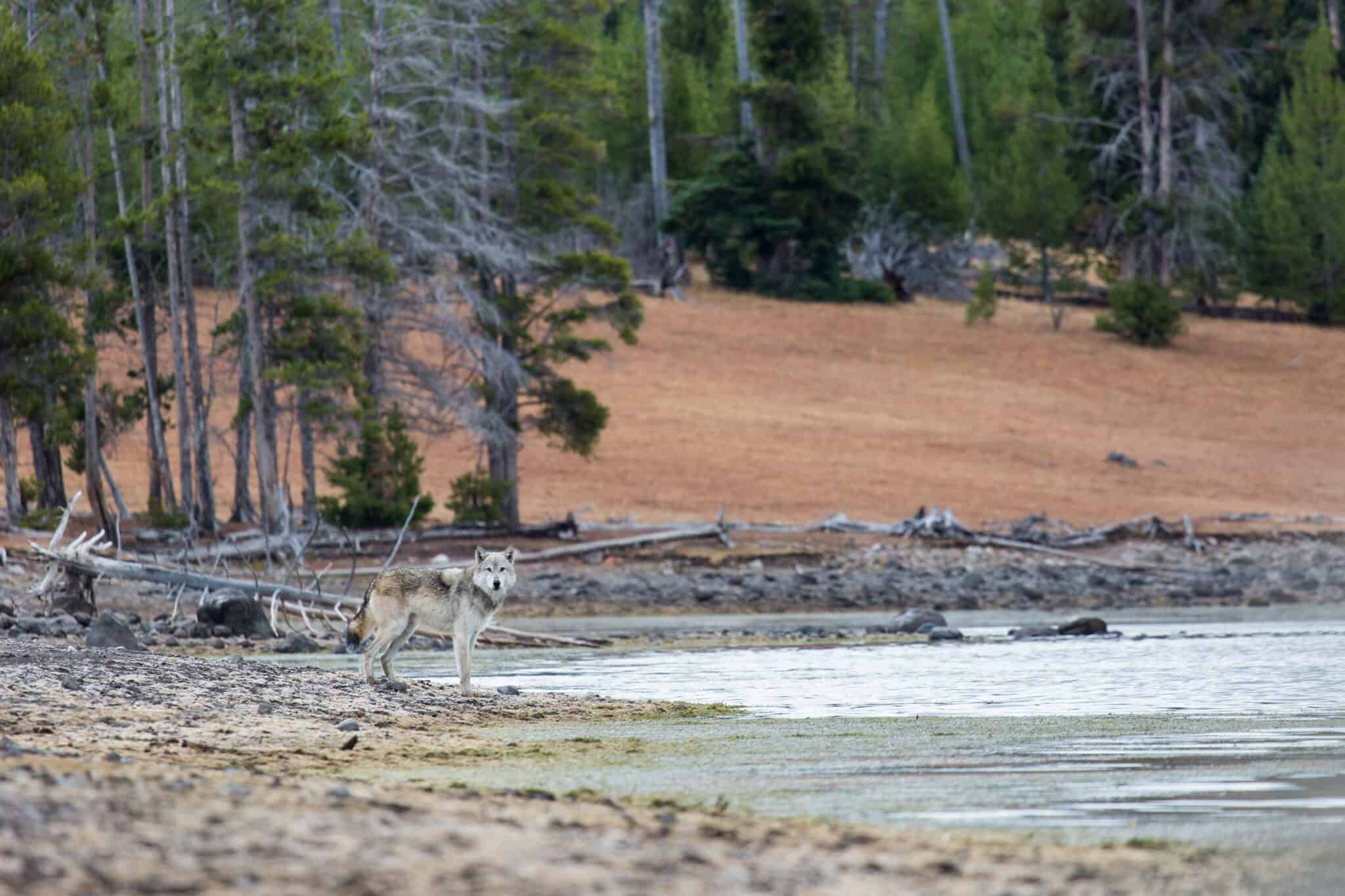
Few are more powerful than the return of the gray wolf. Once widespread across North America, wolves were eliminated from much of the lower 48 states by the early twentieth century through habitat loss and eradication programs. After being listed as endangered in 1973, the gray wolf population of the northern Rocky Mountains became the focus of one of the most significant restoration efforts in American history.
Between 1995 and 1997, 41 wolves from Canada and northwest Montana were reintroduced to Yellowstone. Their return reshaped the park’s ecosystem and created new opportunities for scientists to study the complex relationships between predators, prey, vegetation, and landscapes. Three decades later, Yellowstone remains one of the most important places in the world for understanding how the return of a single species can reshape an entire ecosystem.
Yet the story of Yellowstone is not only about its largest and most famous animals.
It is also written in the quiet partnership between Clark’s nutcrackers and whitebark pine trees, a relationship that has endured for thousands of years. Each autumn, these intelligent birds collect the tree’s nutrient-rich seeds and bury them in hidden caches across the landscape, returning later to feed during the cold months. The seeds they fail to recover become the next generation of whitebark pines.
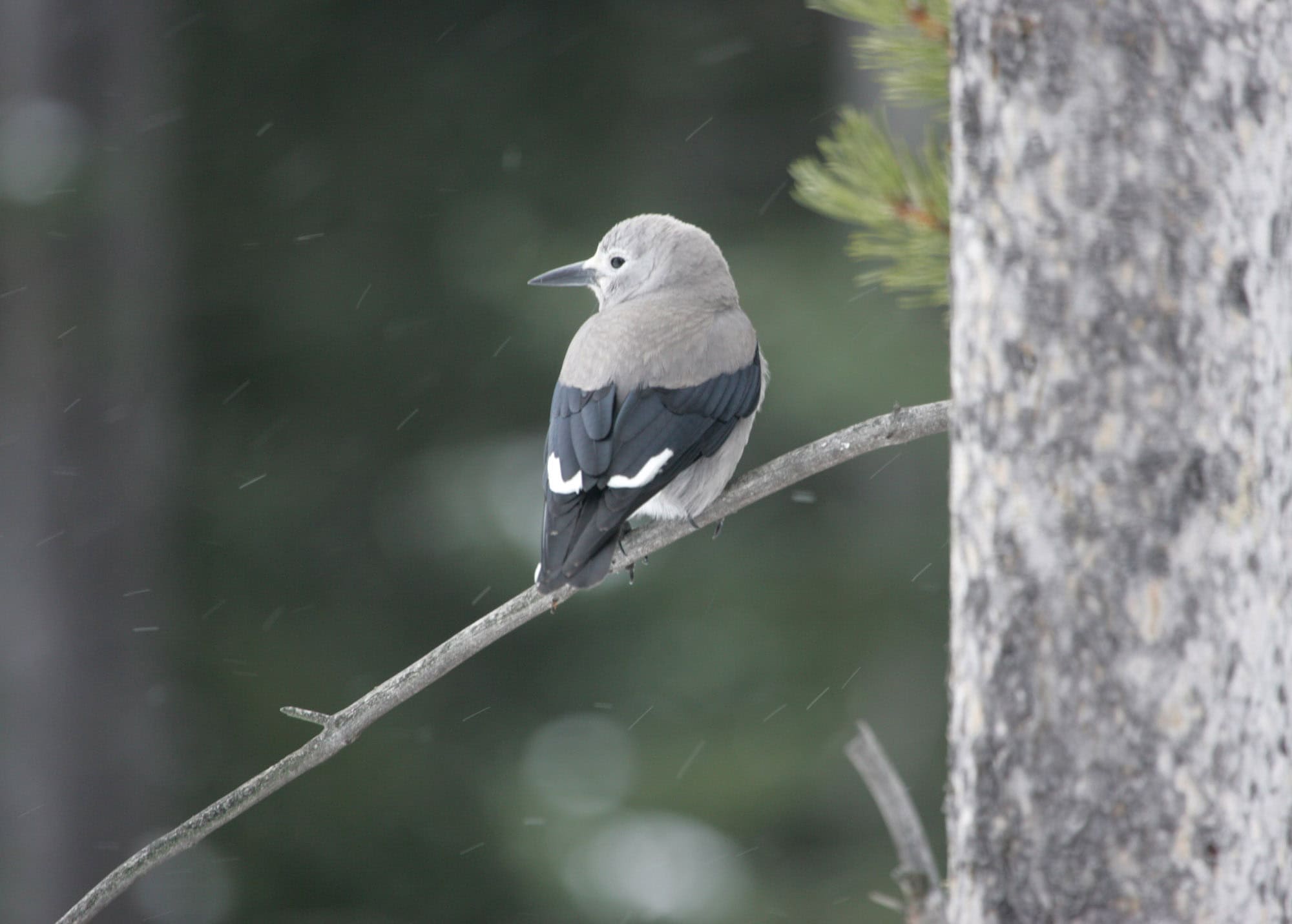
Those trees are essential to the mountain ecosystem, providing food and habitat for species ranging from red squirrels to grizzly bears. Their regeneration depends, in part, on the ancient partnership between bird and tree.
For decades, ecologist Diana Tomback has studied the remarkable partnership between whitebark pine and Clark’s nutcrackers, showing how the fate of a tree and a bird are intertwined across the Rocky Mountains. Her research helped illuminate why whitebark pine is considered a keystone species, supporting entire communities of wildlife, including grizzly bears, red squirrels, and other mountain species.
Among the graduate students Tomback mentored was Sheridan Samano, whose research focused on Clark’s nutcrackers. She would later co-found Reefs to Rockies, carrying forward a shared fascination with the relationships between wildlife and the landscapes that sustain them.
Today, Tomback continues her conservation efforts through the Whitebark Pine Ecosystem Foundation, a science-based conservation organization dedicated to protecting and restoring whitebark pine ecosystems. The foundation brings together researchers, land managers, and conservationists working to ensure these forests continue to thrive. A portion of proceeds from Reefs to Rockies Yellowstone expeditions directly supports the foundation’s conservation efforts.
Yellowstone’s greatest stories have always been about these connections: between scientists and wildlife, between landscapes and the people who protect them, and between visitors and the moments that stay with them long after they leave.
A scientist tracking a mountain lion across a rugged landscape. A teenager discovering a universe of stars above a quiet campground. A researcher watching wolves reclaim their place in an ecosystem. These moments become beginnings.
As America marks its 250th anniversary, Yellowstone offers a reminder of one of the country’s most meaningful contributions to the world: the idea that protecting nature is an investment in our shared future.
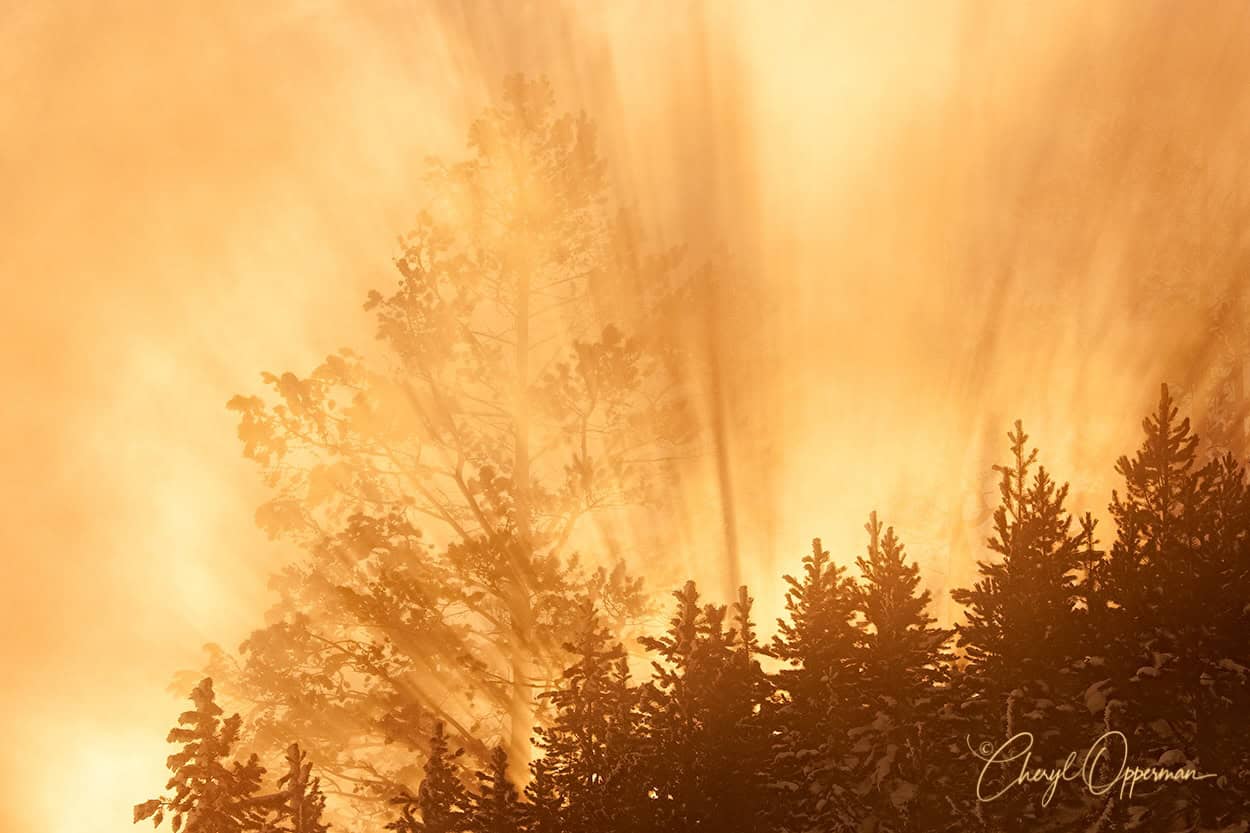
Reefs to Rockies carries that spirit forward by helping travelers experience Yellowstone through small-group wildlife expeditions that connect exploration, education, and conservation. Upcoming departures include a women’s-only wildlife adventure in mid-October and a collaboration expedition with Denver Audubon later that month, both led by Carly Crow. A January photography expedition will focus on Yellowstone’s winter landscapes and wildlife, led by acclaimed photographer Cheryl Opperman.
More than 150 years after Yellowstone became the world’s first national park, its greatest gift may be the same one Carly discovered as a teenager: the ability of a wild place to change the course of a life.